Cabbage
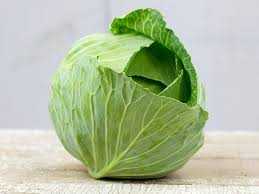
Are organic fruits and vegetables really safer? Maybe for some thin-skinned ones, but just because they’re labeled organic doesn’t mean that no pesticides were used. Organic pesticides and fungicides, which contain soaps, lime sulfur, and hydrogen peroxide, are still allowed on certified organic produce. Cabbage is a cruciferous vegetable, which means that it has the ability to help protect women from colon cancer. Buying non-organic cabbage is safe because it is fairly bug resistant, and any pesticide residue can easily be discarded by throwing out the outer leaves. Cabbage is extremely healthy, and one serving of this vegetable contains 20% of the daily recommended value of vitamin C and K. Cabbage is also considered a brain food and is said to help ward off Alzheimer’s. Cabbage has more vitamin C than oranges and is also considered a great source of nutrition. Researchers are also looking into purple cabbage, which contains anthocyanins that have anti-carcinogenic properties.
Asparagus
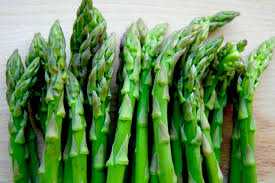
A EWG analysis performed on non-organic asparagus shows that it contains the least amount of pesticide residue. Asparagus is a spring vegetable that is packed with fiber. Apart from that, it also contains vitamin A, C, E, and K. Asparagus belongs to the family of onion and garlic and is a good source of chromium, a trace compound that improves the ability of insulin to transport glucose into cells. This wonder vegetable also contains glutathione, which is helpful in detoxifying the body and fighting the effects of free radicals that are the cause of many diseases and illnesses.
Avocados
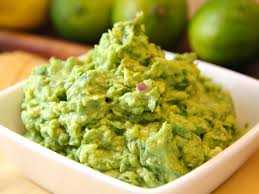
Avocados are also among those foods that you can enjoy without worrying about them being organic or not. Due to its alligator like tough outer shell, pesticides are unable to enter the actual part that we eat. Avocados are packed with essential nutrients including vitamin B-6, C, E, and K. Avocados also contain monosaturated fatty acids, which are compounds that help improve the functions of the heart and blood vessel health.
Carrots
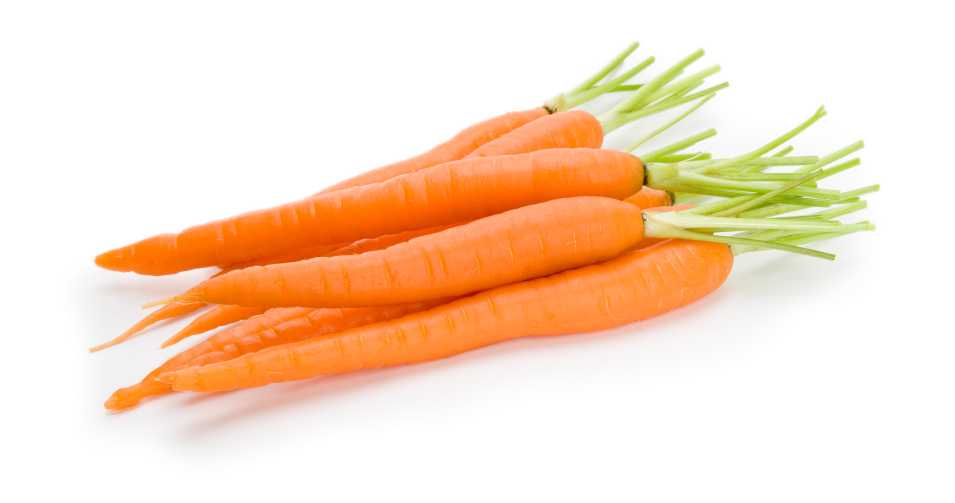
Non-organic carrots contain pesticide residue on their surface, but when you peel them, it gets removed. This means that consuming non-organic carrots is not harmful. Carrots are packed with essential nutrients and minerals that offer an array of health benefits. According to the Wolfson Gastrointestinal Laboratory in Edinburgh, Scotland, consuming 7 ounces of raw carrots for three weeks can lower cholesterol levels by 11%. Furthermore, carrots also have great anti-bacterial properties that allow them to strengthen the immune system and keep us protected from various diseases and illnesses.
Eggplant
The micro-organisms used to produce eggplant do not stay on the skin, which means that they are safe in the non-organic form as well. Eggplant not only has a unique glossy look, but also has a distinct taste and texture. It is said that eggplant also helps protect nerves and the brain from damage. This vegetable contains loads of fiber, folate, potassium, and vitamins. Eggplant also contains anthocyanin phytonutrient, which is an antioxidant that helps fight free radicals and protect our systems from its harmful effects. It also has the ability to lower cholesterol and improve heart health.
Cantaloupe and Melons
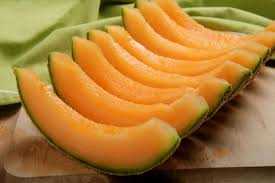
Just like avocados, non-organic cantaloupes and other melons have a tough outer skin which keeps the edible part protected from pesticide residue. Cantaloupes are part of the squash family and are packed with several nutrients including folate, fiber, antioxidants, vitamin B, C, and K. Due to its antioxidant properties, cantaloupe protects the body from the attack of free radicals. These properties also make cantaloupe great for the skin, eyes, and hair. Cantaloupe also contains potassium which is helpful in improving heart health and managing blood pressure.
Cauliflower
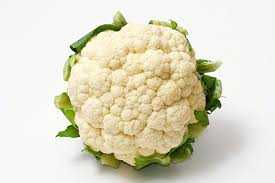
Non-organic cauliflower contains little pesticide residue, which means that it is safe to eat without worrying about them being organic. Cauliflower is closely related to broccoli and contains dietary fiber, folate, potassium and vitamin C. This vegetable has low levels of fat and carbohydrates and contains detoxifying properties. In order to enjoy complete health benefits from this amazing vegetable, it is suggested that it be eaten in steamed form. Cauliflower also contains a number of antioxidant phytonutrients including beta-cryptoxanthin, ferulic acid, quercetin, caffeic acid, beta-carotene, cinnamic acid, rutin, and kaempferol.
Grapefruit and Citrus
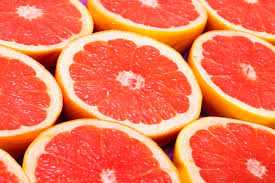
Grapefruit and other citrus fruits are protected by a thick peel, which is the reason that pesticide residue is unable to get into the actual fruit. This means that non-organic grapefruit is as healthy as the organic ones. Grapefruit is a wonder fruit which contains potassium, fiber, folate, and lots of vitamin C. This fruit is also rich in flavonoid, which is a compound that helps regulate blood flow in fingers and toes. This compound also has the ability to suppress carcinoid tumors. If you buy pink and red grapefruit, you can benefit from its anti-oxidative properties.
Onion
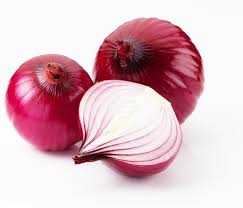
Onion is also among those foods that are safe to eat even if they are not organically produced. Onions contain phytochemicals, which are helpful in improving the absorption and effects of vitamin C in the body. These chemicals are also great for preventing free radicals from attacking cells in the body. It also contains chromium, which is a compound that helps regulate blood sugar levels. Apart from these compounds, onions are rich in other nutrients including vitamin C, E, folate, and dietary fiber. They also contain flavonoids that protect cells and tissues from oxidative stress.
Papaya
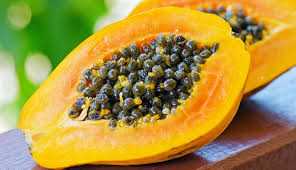
Apart from its mesmerizing color, papaya is packed with an array of essential nutrients and minerals. Christopher Columbus named it ‘fruit of the angels’. Just like the other foods on this list, papaya also contains really low level of pesticide residue, which means that its non-organic form is safe for consumption. Papayas are rich in vitamin A and C, which makes them the best source for keeping the heart healthy. These two nutrients help prevent many heart conditions. Because this fruit contains lots of fiber, it is great for keeping the digestive system in top shape and even prevent colon cancer.