Coconut Flour
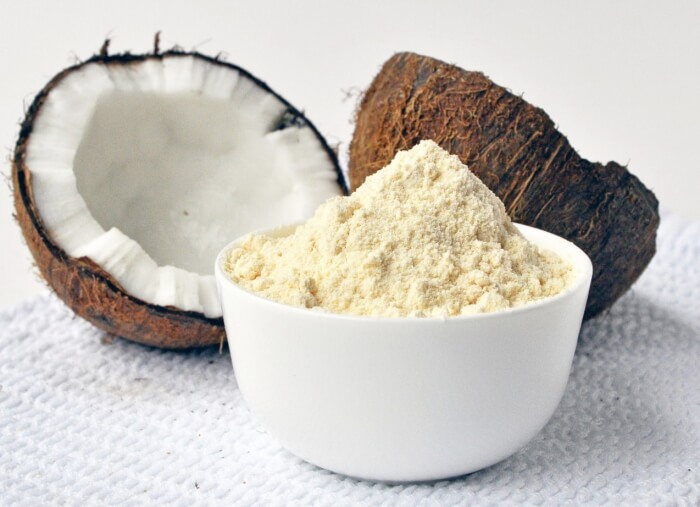
Defatted coconut meat is dehydrated and ground into small particles to create coconut flour, one of the most popular gluten-free flour substitutes available at the moment. Coconut flour is often combined with other gluten-free flours, such as tapioca starch and almond flour, to create decadent baked goods and fiber-filled muffins. Coconut flour is a gluten-free, paleo-friendly, primal-approved food. It absorbs liquid easily, so it typically can’t be used as a cup-for-cup substitute when you convert a traditional recipe into a gluten-free recipe. Try coconut flour in breads, cakes, and oven-fried entrees.
Almond Flour
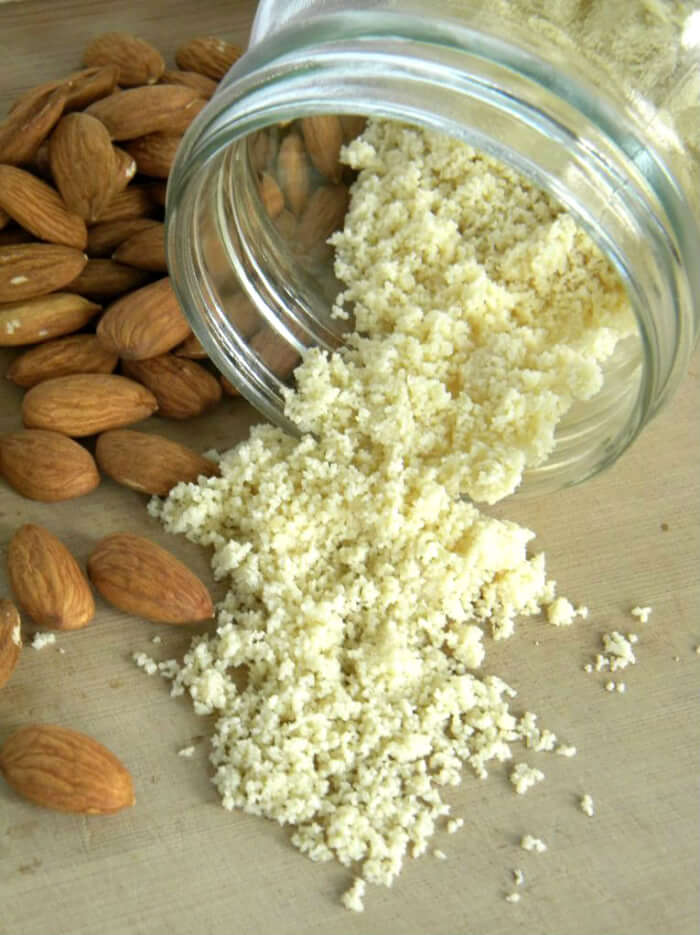
If you aren’t plagued by nut allergies, try incorporating almond flour into your gluten-free recipes. Some manufacturers sell almond meal rather than almond flour, so examine the package carefully before you prepare a wheat-free recipe. Almond flour is more fine than almond meal, so it’s great for baked goods and sweet treats. Almond meal works best in recipes with meats and veggies.
Tapioca Flour
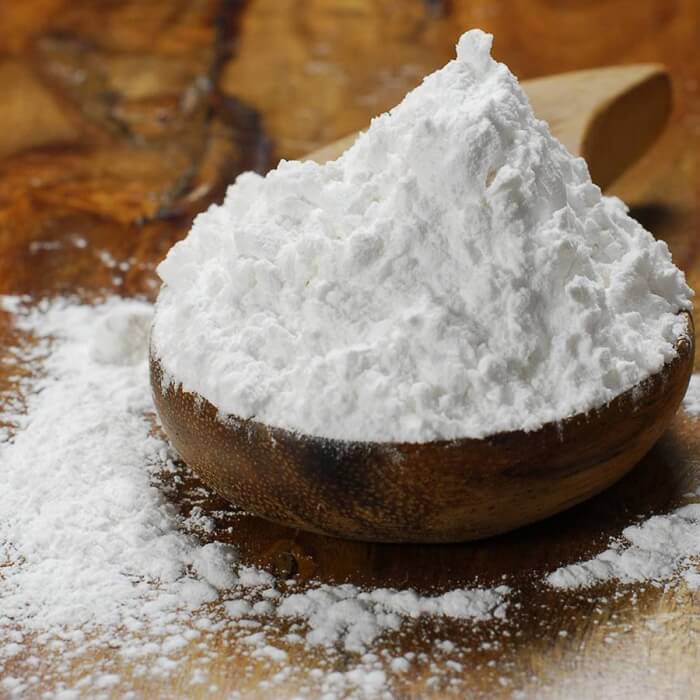
Tapioca flour, also called tapioca starch, makes it a cinch to replicate the light, springy texture of wheat-based desserts. It’s a soft white substance that lacks the gritty, coarse texture associated with certain other gluten-free flours. Tapioca starch is often found in all-purpose gluten-free flour blends and pairs nicely with almond flour, rice flour, and potato flour.
Rice Flour
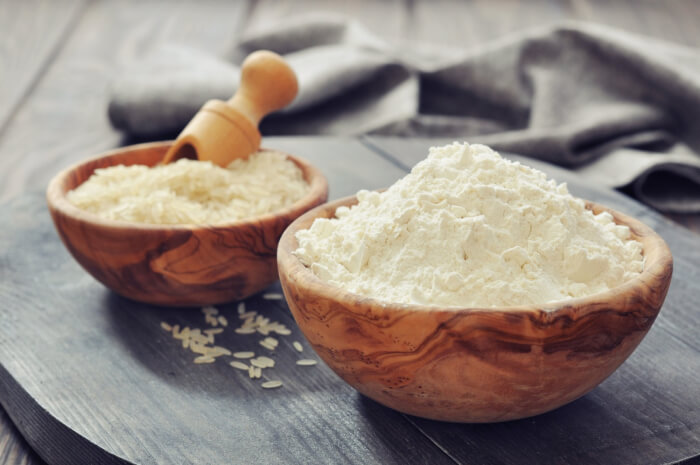
White rice flour and brown rice flour are two common gluten-free flour substitutes. White flour has a mild flavor and a light texture, but it lacks the nutrients found in brown rice flour. The nutrients are stripped out of white rice flour, which is why it tastes so bland in comparison to brown rice flour. Both types of rice flour are excellent options for gluten-free breads, muffins, and waffles. They are usually paired with other gluten-free flours, such as potato flour or tapioca starch.
Potato Flour
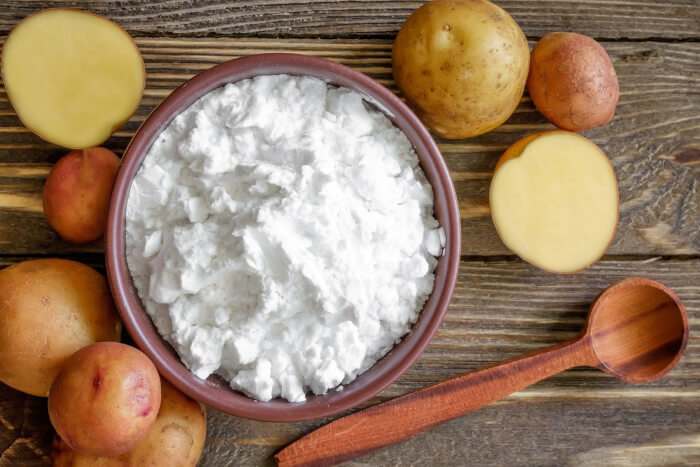
Potato flour is a wheat-free, gluten-free flour made from finely ground potatoes. It is a popular option for folks who do not bake gluten-free dishes regularly because it stores easily and lasts for extended periods of time. Make sure to keep it in a cool area away from direct sunlight. Potato flour has a subtle potato flavor, so keep that in mind before using it. Try it in breads, or use it to thicken a broth or casserole.
Cashew Flour
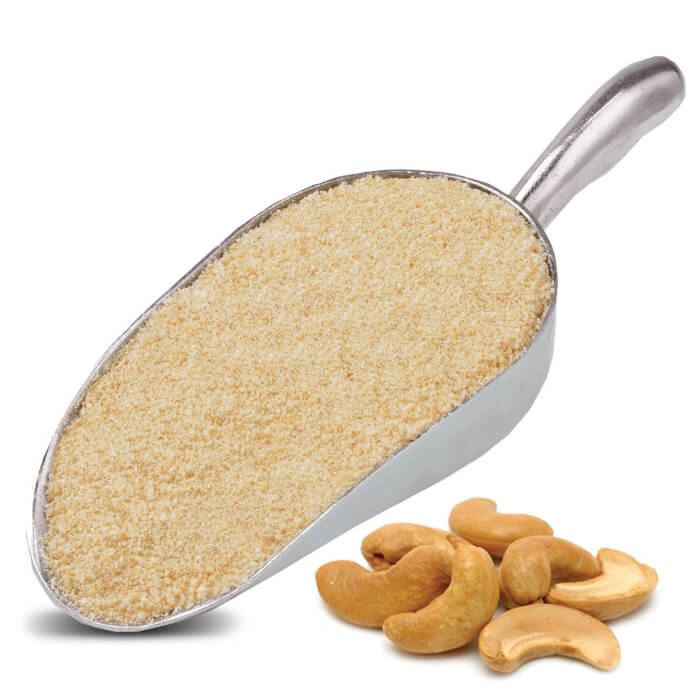
There are tons of benefits associated with cashews, so it’s easy to see why cashew flour is becoming a popular alternative to wheat flour. Cashews help lower the risk of heart disease and improve digestion, and they also keep the brain healthy. Cashew flour has a rich, hearty flavor that makes it excellent for breading salmon patties or tilapia filets. You can also use cashew flour in some baked goods, such as paleo pie, or create dense breads with it.
Arrowroot Flour
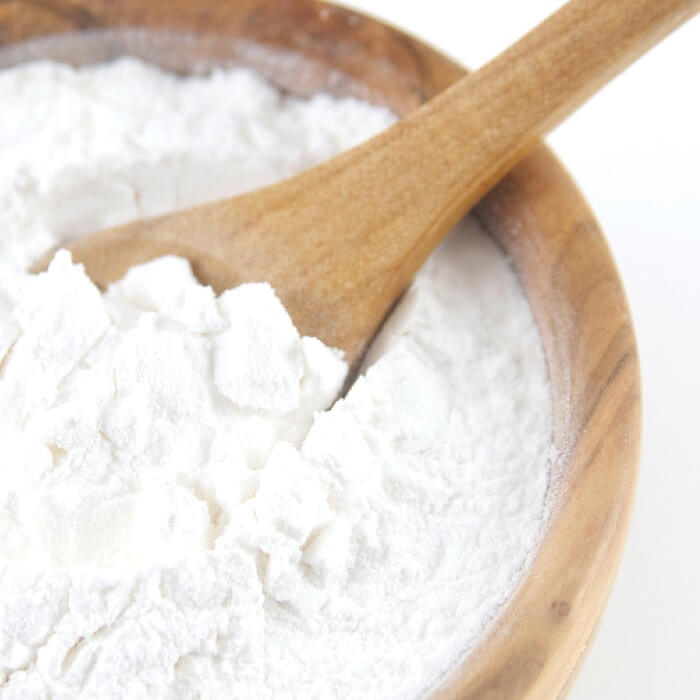
Arrowroot flour is a staple in many vegan and vegetarian diets. It comes from the arrowroot plant, which is ground into a white powder that becomes clear after the cooking or baking process. Use arrowroot flour in gluten-free recipes where you want to focus on the flavor of other ingredients. Arrowroot flour has no detectable taste or odor, especially when compared with other gluten-free flours, such as chickpea flour and cashew flour.
Amaranth Flour
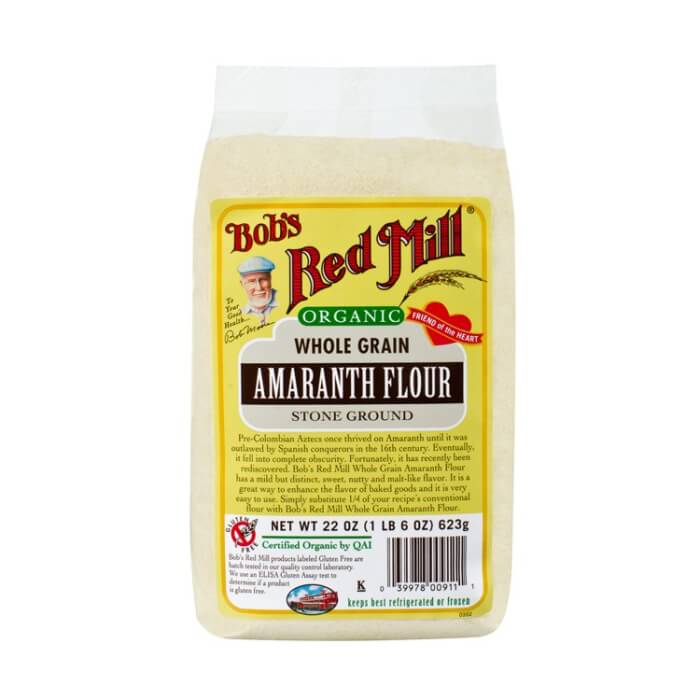
Amaranth is a leafy vegetable with a nutritional composition similar to spinach. Amaranth flour is ground from the seeds of the amaranth plant.
Hemp Flour
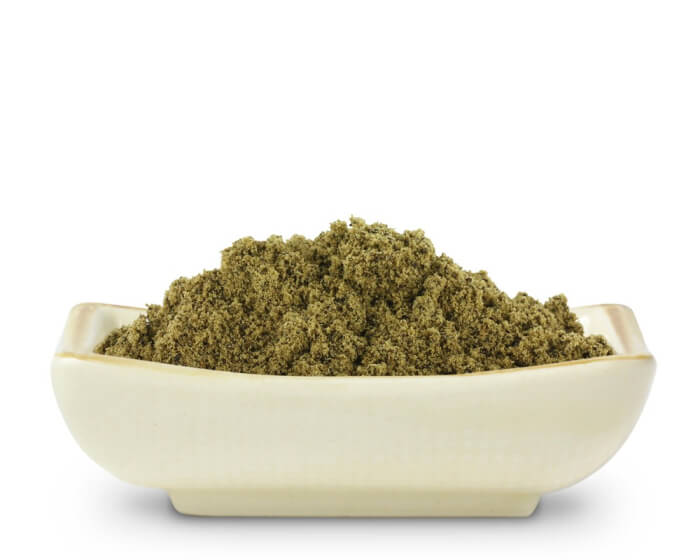
Hemp flour is packed with protein, but it spoils quickly. Make sure to refrigerate it immediately after each use. This gluten-free flour has a nutty flavor, and it is often used in smoothies and breads.
Garbanzo Flour
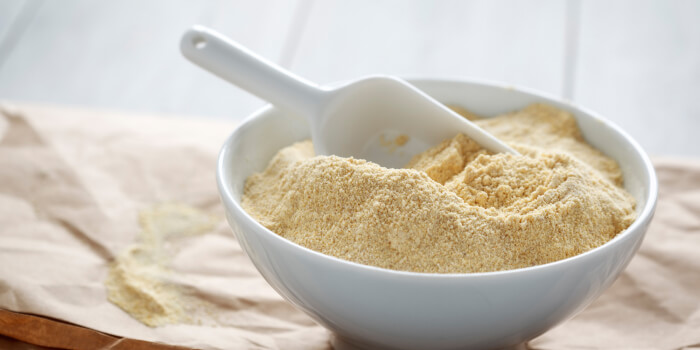
Garbanzo flour, also known as chickpea flour, has a strong flavor. It’s best to use this flour with other gluten-free mixtures to avoid overpowering your dish.