Salads

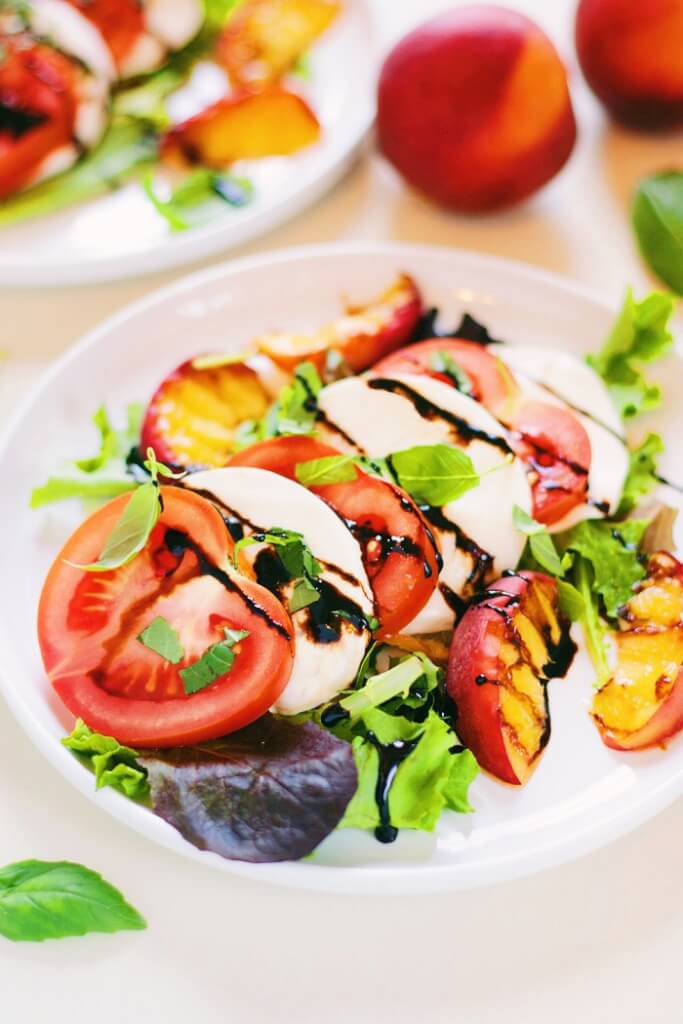
Think salads are the secret to a slim, supermodel physique? Probably not the ones you’re eating. Salads prepared at restaurants and fast casual chains are loaded with extra fat and calories in the form of cheese, croutons, creamy dressings, and even bacon. Many have comparable calories counts to the burger and fry combo you’re really craving. Check the ingredients or make your own at home and avoid drowning your salads in high calorie dressing.
Energy Bars

Feeling sluggish after you eat an energy bar? You’re not alone. Many of these so-called health bars lack nutrients and contain lots of sugar and salt to make them palatable. They’re also calorie bombs: despite their measly size, most bars have at least 500 calories, which is equivalent to a large lunch or small dinner.
Granola
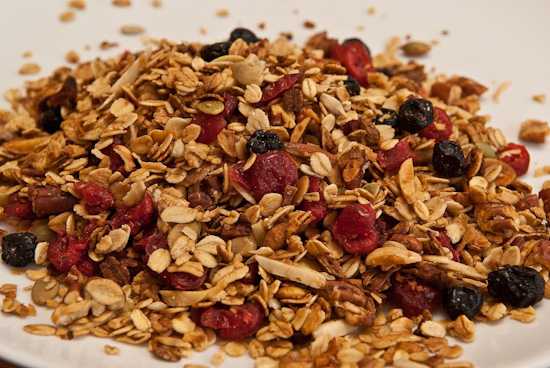
Despite its healthy image, granola can be one of the unhealthiest ways to start your day. Most varieties are loaded with sugar and can contain up to 800 calories per cup. Making your granola at home can help you control the sugar content, but if you must buy it, look for brands that boast lots of fiber and use it sparingly to add crunch to a bowl of yogurt or berries.
Dried Fruit
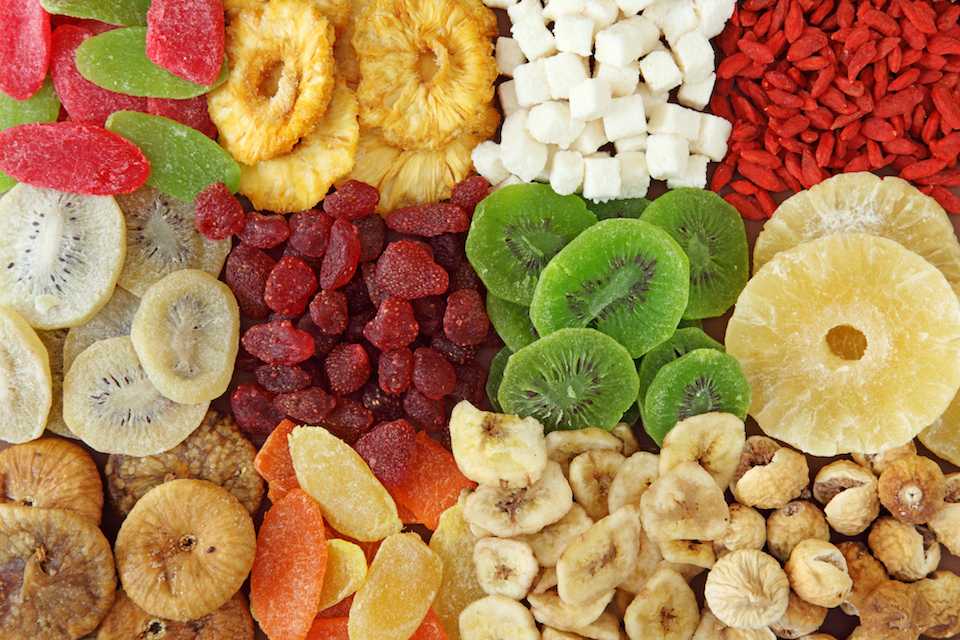
Removing the water content from fruit concentrates both the nutrients and the calories. That’s great if you’re packing fuel for a long hike; not so much if you’re snacking at your desk. It also means you’ll need to eat more to feel full, which can lead to disaster for those looking to curb their appetite and slim their waistline.
Low-Fat and Non-Fat Yogurt
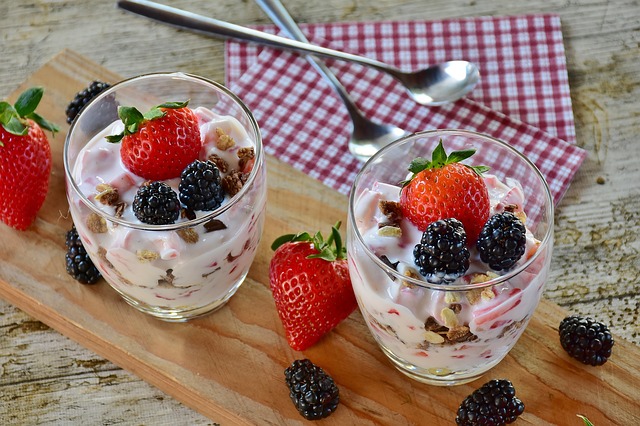
There are three main things that make processed food taste good: sugar, fat, and salt. When one of those elements is removed, it’s necessary to compensate by adding more of something else to make the food palatable. Yogurt manufacturers add tons of sugar to make the flavor of low-fat and non-fat yogurts appeal to dieters, but it’s best to stick with plain, full-fat yogurt. Add a little honey or fruit to flavor it if you must.
Sports Drinks
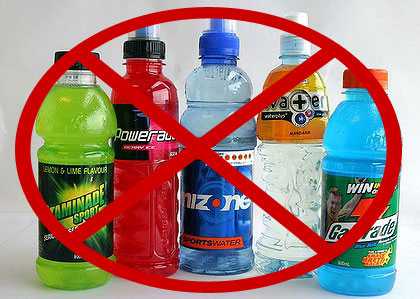
Sports drinks may be better than soda, but that’s not much to brag about. They’re still loaded with sugar and contain dyes and preservatives, which can lead to adverse health effects. The better bet? Stick with water and get the same vitamins and minerals from fruits without the extra ingredients.
Multi-grain Bread
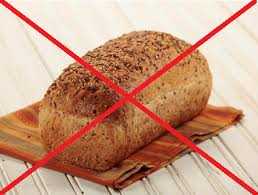
Whole grains are healthy, but many breads and cereals that use the word “multigrain” don’t actually contain any whole grains at all. Many health terms are not regulated, so it’s important to check the ingredients for every product you purchase. Look for 100% whole wheat, bran, oats, or brown rice to be listed as the main ingredient, and steer clear of any product that includes the word “enriched” on the label.
Smoothies

Don’t drink your calories: smoothies can be extremely high in sugar and calories depending on the ingredients you throw in the blender. Store bought varieties can also contain added sugars, sweeteners, preservatives, coloring agents and more. Some have up to 800 calories – more than a meal.
Frozen Diet Meals
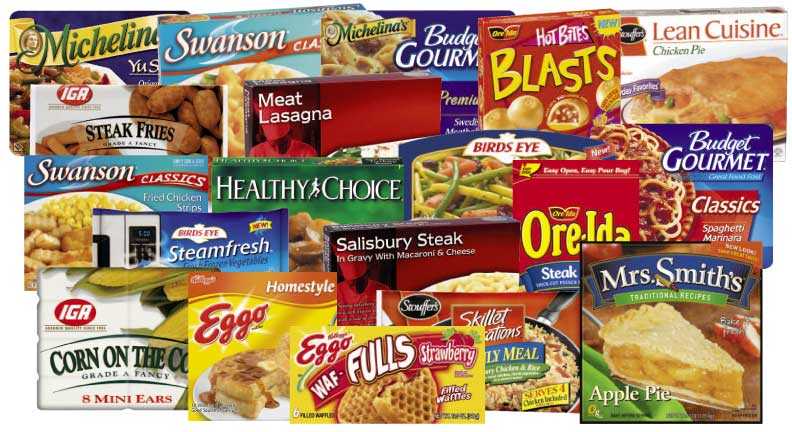
Sodium is the sneaky ingredient in these convenience foods. Many contain nearly a full day’s worth of sodium in a single serving meal. They also lack nutrients, hardly ever include whole grains, and have a limited number of vegetables to offer, which make them a poor choice for those looking to slim down in a healthy way.
Wraps
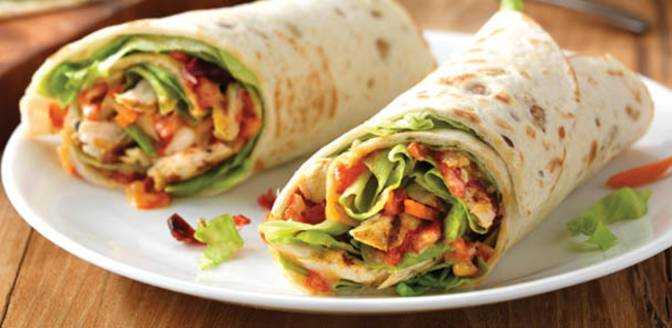
Wraps – especially those filled with virtuous vegetables – can seem like a good option for those looking to lighten their calorie load at lunch. Unfortunately the flat breads that are used in many wraps can add up to 300 calories to your meal. By the time you add toppings, you’re talking 700+ calories for something that won’t satisfy your hunger for more than a couple of hours.
Muffins

Many turn to muffins as meals-on-the-go during busy mornings. Unfortunately, commercially produced muffins sold in packs at the grocery store contain anywhere from 400 to 800 calories. That number goes even higher for the monstrous versions created by some bakeries and cafés. If you must muffin, choose one that is small in size, skips the icing, and contains whole grains, nuts, and seeds for extra fiber.
Brown Sugar
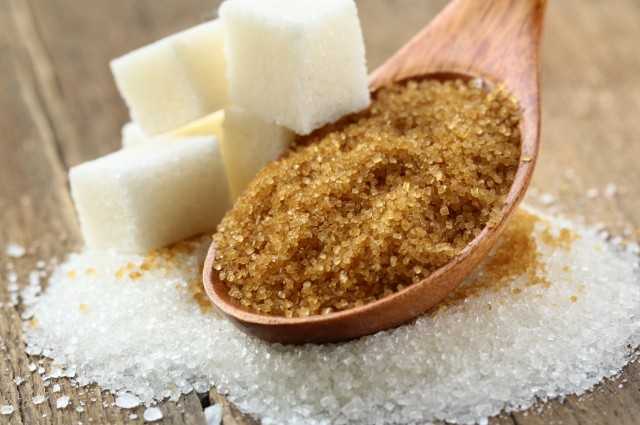
Some food companies claim that brown sugar is healthier than white sugar because it is less processed. However, both are made from sucrose and are therefore very similar. Simply put, brown sugar is made by adding molasses to regular white sugar, which does not make it a better option for those looking to trim down.
Fruit Juices
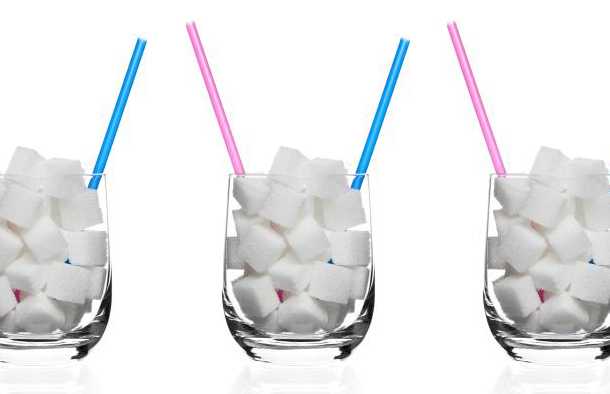
Fruit is healthy, so fruit juice must be healthy too, right? Wrong. Drinking fruit juice is essentially the same as a drinking soda (aka liquid sugar). Many store bought varieties don’t even contain real fruit juice, just chemicals that taste like fruit! The smart choice is to eat whole fruit, which contains fiber, vitamins, and minerals along with the sweet stuff.
Commercial Salad Dressings

Vegetables are definitely healthy. That is, until they are doused with sugar, oil, and trans fats in the form of bottled salad dressing. Don’t negate the benefits of eating vegetables by covering them in artificial ingredients. Instead, make your own dressing at home using olive oil and lemon or avocado and herbs.
Milk
We’ve been told that milk does a body good, but the evidence suggests otherwise. Modern milk is highly processed and contains many chemicals and antibiotics, and studies have linked dairy consumption to weight gain, increased cancer risk, and increased risk of bone fractures. Low-fat and non-fat varieties also contain tons of sugar (more than 10 grams per serving!) to make them palatable. Can you think of any other adult mammals that still drink milk?