Seasoning
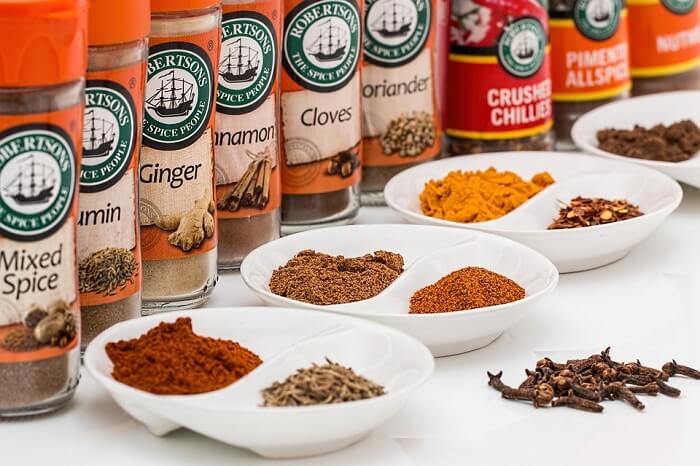
If you want your food to taste delicious, you need to master the art of seasoning. If you have seen cooking competitions on TV, you must be familiar with the face judges make when the meal is under or over seasoned. Two of the most used seasonings that almost every dish includes are black pepper and salt. Other seasonings to elevate the flavors of your dish include white sauces, cumin, paprika, nutmeg, bitter greens, and more. When you are seasoning, take risks, but keep tasting the food as you do. You do not want to add too much salt or too much spice to the dish and ruin its taste. Instead, adopt the taste and test mantra. In the beginning, you will make mistakes, but the mistakes will help you learn and correct your cooking technique for any future meals you cook. Remember to experiment with a variety of different seasonings.
Cooking Quinoa and Rice
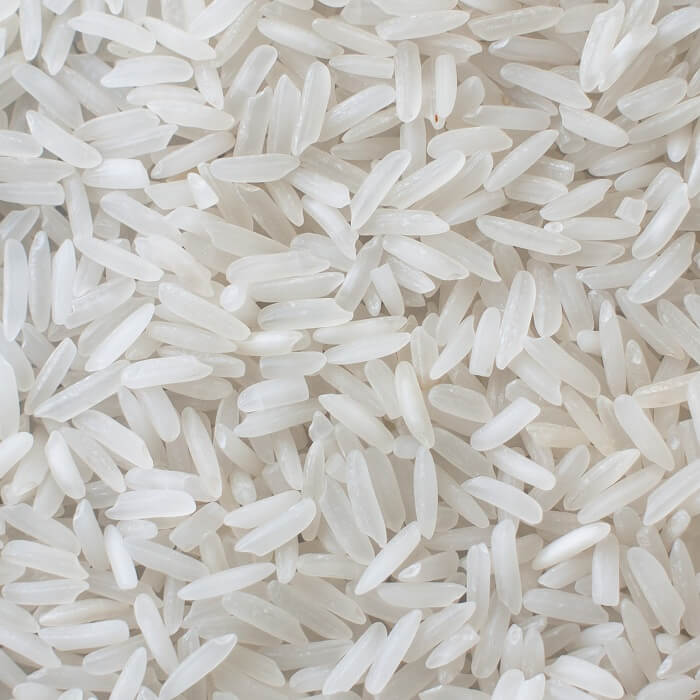
If you want to serve rice or quinoa dish at your next party, but you are afraid your dish will be more of a disaster than a success, it is time you learn the proper way to prepare both quinoa and rice. First, you need to fill a saucepan with water. The amount of water you pour into the saucepan depends on the quantity of the quinoa or rice you are using. Next, bring the water to a boil and add your chosen grain into the saucepan. Stir and decrease the heat to let the grain simmer. Cover the saucepan and cook for about eighteen minutes for rice and fifteen minutes for quinoa. When all the liquids have been absorbed, take it off heat, fluff, and enjoy eating a mouthful of your perfectly cooked grains. You can even cook brown rice this way, but they will take slightly longer to cook than quinoa and white rice, but will turn out great if you follow this technique.
Roasting Vegetables
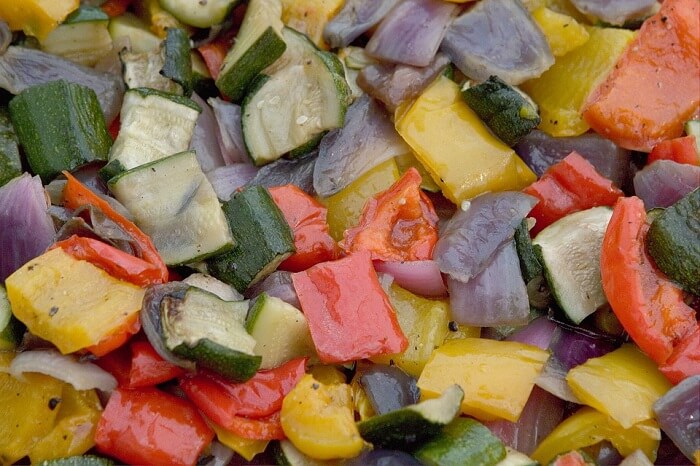
Do you love to eat blanched or steamed vegetables? Perhaps, you like to eat them as a side dish to a meal or toss them into a healthy and green salad. Have you ever tried to eat them roasted? The rich flavor you receive from roasted vegetables is no match for blanched and steamed vegetables. To cook roasted vegetables for dinner or a light evening lunch, you need to preheat your oven to 400 degrees Fahrenheit. Next, use parchment paper to cover a cookie sheet. Cut the vegetables into smaller pieces or thick chunks. Place your favorite veggies on the parchment paper. Add olive oil, black pepper, and salt to your veggies and toss to combine. You can toss using two wooden spoons or just simply use your hands. Once you have coated every vegetable piece with oil, spread them in layers on the baking sheet. Place the baking sheet in the oven and cook for about twenty minutes. However, the duration you need to roast the vegetables for depends on what type of veggie they are. For instance, root vegetables such as carrots, Brussels sprouts, potatoes, and butternut squash take around forty minutes to an hour to roast where as broccoli, onions, peppers, and mushrooms take around twenty minutes to half an hour to roast.
Roasting Whole Chickens
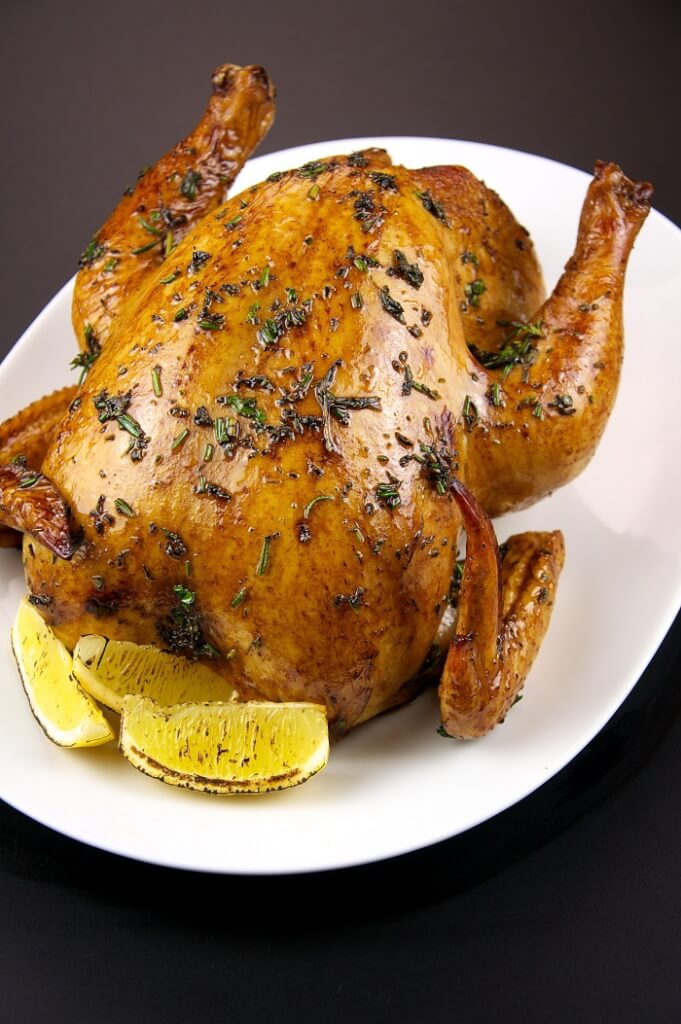
Prepare a delicious and scrumptious roast chicken at home. Before you can put the whole chicken in the oven, you need to ask yourself if you have perfected your chicken roasting technique. Even though roasting an entire chicken seems like a difficult feat, it is one of the easiest techniques to master. Purchase a chicken from your local grocer. Bring it home, wash it, and pat it dry using paper towels. Once the chicken is completely dry, you need to season it will black pepper and salt. Use a brush or your hand to give the chicken a good rub down, rubbing it with oil or melted butter. Tie the legs of the chicken together with a string and place it in a pan. Add garlic, lemon, and rosemary into the pan to give the chicken some aromatic flavors. Place the pan in the oven at 400 degrees Fahrenheit. Roast the chicken for about an hour and ninety minutes at 400 degrees Fahrenheit. After an hour, use a thermometer to see if the chicken is cooked. If the thermometer reads 165 degrees Fahrenheit, consider the chicken cooked. Take out the chicken and put it aside for fifteen minutes, carve, and serve.
Melted Sandwiches

The delicious melted sandwiches you see on TV are not impossible to make. You can make a tasty and mouthwatering sandwich at home—a sandwich, oozing melted and gooey cheese. You can make a scrumptious grilled cheese sandwich at home. Have your break and cheese slices ready and follow along. You want to use grated cheese instead of whole slices or chunks of cheese. Grated cheese in comparison to whole slices melts better and quicker. Place grated cheese on top the bread. It is time to place the bread on a pan. You need to cook your grilled cheese sandwich on medium heat because doing so, ensures the bread will not turn crispy before the cheese has a chance to melt. If the bread turns crispy before the cheese has had time to melt, the probability of your bread burning are high. Once you have nailed the technique down, you are ready to move on to the filling. When it comes to filling, you have a number of options. You can layer the bread with difference types of cheese. You can add meat and vegetables to the bread. If you want to add egg, you can cook the egg first, add the cheese, and then start the melting process. You can use the same technique to prepare quesadillas.